What Is the Accuracy of Home Paternity Tests? An In-Depth Look
Home-based paternity tests have gained popularity for their convenience and claimed accuracy rates exceeding 99%. Yet, their accuracy relies on a number of important factors, among them the quality of sample collection and the techniques employed for testing. Although these tests provide both privacy and cost-effectiveness, they could fall short of meeting legal requirements. Recognizing the intricacies of these tests is vital, especially when unexpected results arise. The subsequent steps can significantly affect personal relationships and legal situations.
How Do Home Paternity Tests Work and What Are They?
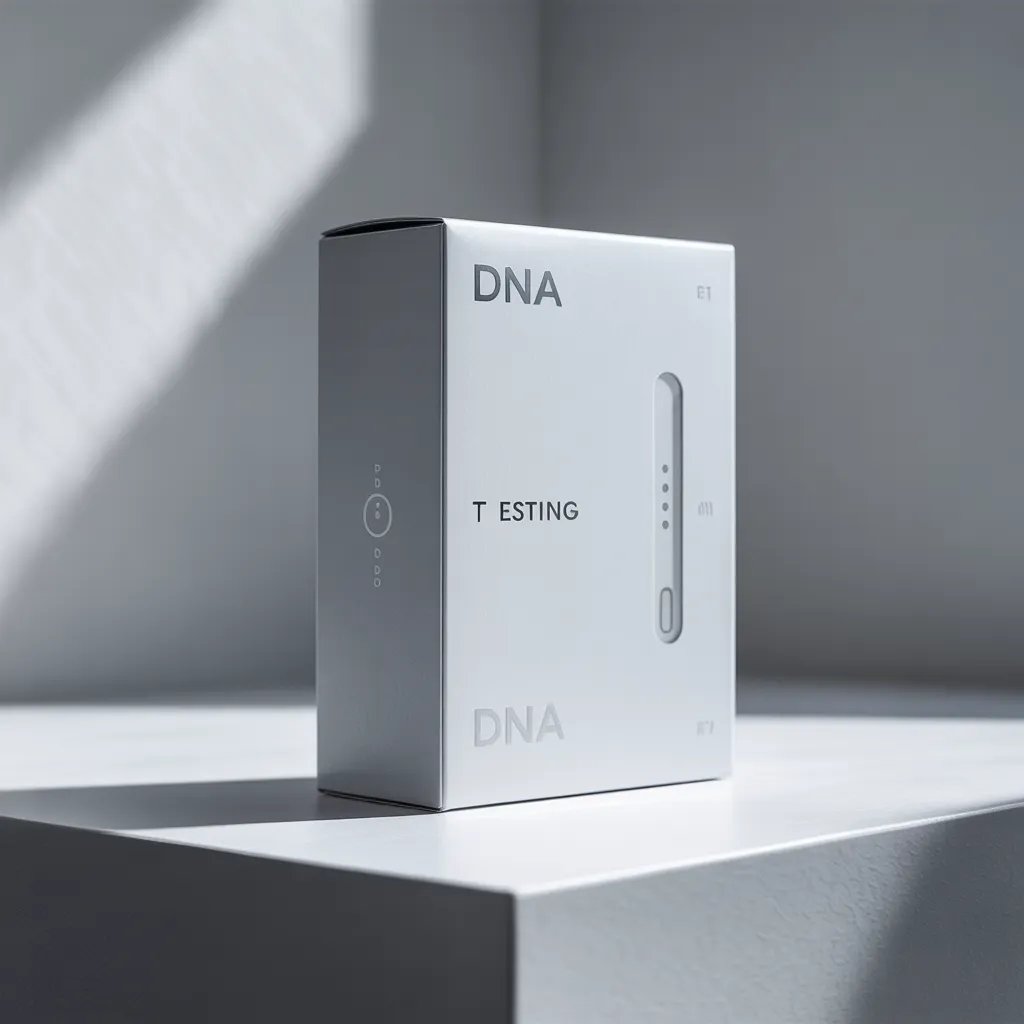
Home-based paternity tests present a convenient solution for those wanting to confirm biological relationships without the need for laboratory visits. These assessments generally use a simple process involving the collection of DNA samples, commonly via oral swabs from the potential father and child. After the specimens have been gathered, they are forwarded to a genetics laboratory, where sophisticated genetic testing is performed.
These tests examine particular DNA markers to confirm if there is a genetic link between the parties involved. Most at-home paternity test kits offer detailed instructions for gathering samples and protective packaging for postal submission. Outcomes are generally provided within a short timeframe, permitting those tested to access their findings without delay. While these tests are accessible and user-friendly, it is essential to evaluate various factors that may influence their reliability and accuracy, as discussed in the sections that follow.
Comparing the Accuracy of Home and Lab Paternity Tests?
The precision of paternity testing can differ significantly between consumer testing kits and tests performed in certified laboratories. Home paternity tests commonly assert they deliver results boasting an accuracy rate of over 99%. Nevertheless, these outcomes frequently depend on accurate specimen collection and compliance with the guidelines. Improper sample processing can produce misleading results.
By comparison, professional laboratory tests use advanced methodologies and rigorous quality controls, routinely attaining accuracy rates that dependably go beyond 99.9%. Expert labs assess a broader range of genetic markers, which enhances the reliability of the results. Furthermore, they deliver specialized evaluation of the data, lowering the chances of inaccuracies that might result from home-based tests.
When all is said and done, although home testing kits are convenient, laboratory tests deliver a higher level of accuracy and reliability, making them the preferred option for people in need of definitive paternity confirmation.
Factors That Affect the Accuracy of Paternity Test Results
Although many people assume that all paternity tests yield equally reliable results, multiple factors considerably impact their accuracy. The integrity of the DNA samples gathered plays an fundamental role; mishandling or sample contamination can lead to unreliable conclusions. Additionally, the specific testing methodology employed by distinct laboratories influences accuracy. Certain tests examine a smaller number of genetic markers, which may produce less certain outcomes.
Timing plays a significant role as well; performing a test during the early stages of pregnancy can produce inconclusive results. Moreover, the presence of mutations or rare genetic markers can complicate interpretations. The emotional state of individuals involved can inadvertently impact sample collection, as stress and anxiety can result in collection errors. Finally, the credibility and accreditation of the testing lab play a vital role; reputable labs adhere to strict quality controls, ensuring more reliable results compared to lesser-known providers. As a whole, these considerations have a major impact on the accuracy of paternity testing outcomes.
Advantages and Disadvantages of Home Paternity Tests
How do home paternity tests stack up against traditional laboratory options? Home paternity tests provide numerous benefits, including ease of use and confidentiality. They permit individuals to obtain samples within the privacy of their homes, doing away with the requirement for clinical appointments. Additionally, these tests are generally more affordable than laboratory options, making them accessible to a broader audience.
Nonetheless, there are significant drawbacks. The precision of home tests can vary considerably, often depending on the manufacturer and technique employed. Unlike accredited laboratories, which adhere to strict standards, home tests may not offer the same degree of accuracy and dependability. Furthermore, results from home tests are generally not valid in a court of law, limiting their use in formal situations, such as court cases or custody battles. Ultimately, prospective users should weigh these pros and cons carefully before choosing between a home paternity test versus a conventional lab test.
What Steps Should You Take If Your Results Catch You Off Guard?
When individuals receive surprising outcomes from a home paternity test, it is important to consider the emotional consequences of this information. Acknowledging the feelings that emerge can assist in working through the situation. Seeking professional guidance may also deliver helpful guidance and perspective during this trying moment.
Assess Emotional Impact
The revelation of unforeseen paternity test results can stir up a intricate spectrum of emotions, stretching from confusion to clarity. Individuals may experience bewilderment, doubt, or resentment, particularly if the results contradict deeply held convictions or family stories. These reactions are often heightened by concerns about personal identity and familial relationships. It is essential to accept these sentiments, as they can significantly impact mental well-being. Working through the emotional aftermath may require time and introspection, giving people the opportunity to evaluate their circumstances and consider the implications of the results. Turning to reliable friends or family can deliver meaningful assistance, while keeping a journal or pursuing creative endeavors may help in steering through these challenging feelings.
Seek Professional Guidance
Shocking paternity test results can result in individuals dealing with intense emotions, prompting the need for further support. In such cases, professional guidance becomes increasingly important. A trained mental health professional can support individuals in processing their emotional responses, creating a secure environment to address challenging emotions like distress, bewilderment, or frustration. Furthermore, speaking with a genetic specialist can shed light on what the test results mean, helping individuals understand their options moving forward. It is also wise to talk about the findings with a reliable family member or friend, so that the individual has support through this difficult journey. In the end, professional support can encourage constructive coping mechanisms and thoughtful decision-making in light of unexpected revelations.
Legal Impact of Home Paternity Testing Results
The legal status of home paternity test results can significantly impact various legal proceedings. Judges frequently examine the validity of these assessments, which may influence rulings in custody disputes and other family law matters. Understanding these potential implications is important for people exploring home testing options.
Legal Standing of Results
A large number of people consider home-based paternity tests for the comfort and discretion they provide, but the legal standing of these findings can be complicated. In most cases, results from home tests are inadmissible in court, as they fail to maintain the rigorous chain of custody required for use in legal matters. Legal systems frequently demand results from recognized testing facilities that comply with rigorous standards to ensure precision and dependability. Moreover, home tests may not provide definitive proof of paternity, most notably when findings are challenged. This lack of legal recognition can result in complications when pursuing child support, custody arrangements, or inheritance claims. Consequently, while home-based paternity tests are capable of offering initial findings, people ought to exercise caution regarding their legal implications and consider formal testing for any potential legal matters.
Potential Court Implications
Outcomes from residential paternity tests can result in substantial juridical implications, particularly when individuals attempt to use them in court. Judicial systems generally mandate paternity testing performed under rigorous guidelines to ensure accuracy and evidence integrity. Therefore, results from unregulated home tests may be ruled unacceptable as legal proof. This can hinder legal matters such as child support, inheritance claims, or parental rights, as the reliability of the results can be disputed. Furthermore, dependence on such findings can result in psychological and monetary consequences for the affected families. Understanding the limitations of home tests is vital, as misjudging their findings may lead to prolonged litigation or unfavorable legal outcomes. Expert legal counsel is necessary in addressing these challenging circumstances.
Influence on Custody Cases
How could home paternity test results affect custody decisions? These test results can significantly influence legal rulings related to child custody. Should a home paternity test reveal a biological link, it may reinforce a father's claim to custody or visitation privileges. On the other hand, a negative result may weaken a father's position, possibly resulting in the forfeiture of parental rights or financial responsibilities. Courts typically favor established legal parentage; therefore, results from home tests may not be admissible as definitive evidence. However, they can prompt further testing or investigation. In the end, although they provide valuable information, home paternity tests cannot replace formal legal procedures, and their consequences may differ depending on jurisdiction and particular case details.
Questions We Often Receive
Is It Legal to Use Home Paternity Tests in All States?
Home-based paternity tests are largely legal in the majority of states; however, the regulations can differ. It's important for individuals to check local laws and any specific requirements regarding testing, above all when testing is intended for legal or formal purposes.
How Long Will It Take to Achieve Results?
Home paternity test results generally take between three to five business days from the time the laboratory processes the samples. A number of companies may have expedited services available, potentially reducing the wait time for those eagerly awaiting results.
Is a Home Test Valid for Legal Purposes?
Residential paternity tests typically lack the legal standing required for court use. They may provide reliable results for private information, but results that are legally admissible demand testing conducted under rigorous chain-of-custody protocols by accredited laboratories.
Is a Doctor's Supervision Required for Home Tests?
Home paternity tests require no a doctor's supervision. People can buy and conduct view this guide these tests independently, although seeking advice from a healthcare provider may offer further insight and help clarify the outcomes.
What Occurs if I Take the Test More Than Once?
Performing repeated testing can yield varying results because of elements including collection techniques and the timing of samples. Maintaining consistency is key; discrepancies may prompt individuals to seek expert testing to obtain more dependable and precise findings regarding paternity.