Explore the Benefits of Radiofrequency Ablation: An Innovative Treatment for Pain Reduction
Radiofrequency Ablation (RFA) is surfacing as a key option for those suffering from chronic pain. This minimally invasive procedure addresses neural transmissions to furnish lasting comfort, particularly for issues like arthritis and back pain. As individuals pursue other options to conventional pain management methods, learning about RFA's mechanisms and benefits grows vital. What determinants influence its efficacy, and who benefits most from this cutting-edge technique? The findings may shock many.
Chronic Pain: An Analysis of Reliable Treatment Approaches
What are the most successful methods for treating chronic pain? Various treatment options exist, each customized to individual needs. Pharmaceutical treatments, including non-copyrightal anti-inflammatory drugs (NSAIDs) and opioids, are commonly prescribed to reduce discomfort. Physiotherapy plays a crucial role in rehabilitation, helping to enhance mobility and strength. Cognitive-behavioral therapy (CBT) tackles the psychological aspects of pain, enabling patients to develop coping strategies. Alternative therapies such as acupuncture and massage offer additional avenues for relief, often boosting conventional treatment effectiveness. Lifestyle modifications, including regular exercise and a balanced diet, add considerably to overall well-being. Integrative approaches, combining multiple therapies, have shown promise in managing chronic pain effectively. Ultimately, a thorough, patient-centered plan is vital, allowing for ongoing assessment and adjustment to guarantee ideal outcomes. By considering these varied methods, individuals can find a tailored approach that best suits their chronic pain management needs.
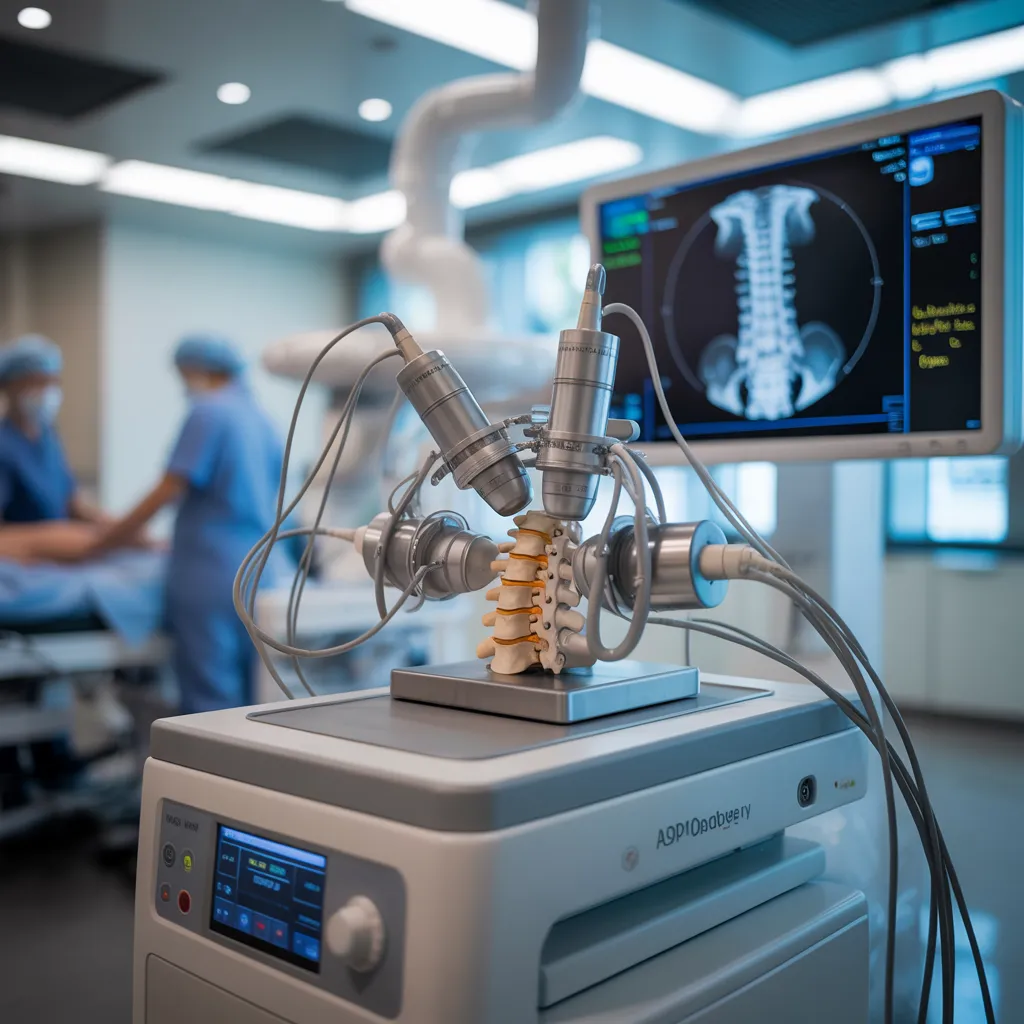
Understanding Radiofrequency Ablation and its applications
Radiofrequency ablation (RFA) serves as a least invasive intervention aimed to lessen chronic pain by interfering with neural transmissions. This strategy harnesses RF waves to deliver heat, which concentrates on targeted nerves in charge of conveying pain. RFA is commonly applied as an choice for patients who have not obtained relief through standard pain control techniques, such as medications or therapeutic exercises.
The procedure is ordinarily done in an outpatient setting, allowing patients to return home the same day. Subjects are often sedated, and the zone is numbed to minimize discomfort. RFA has relevance in assorted types of suffering, including back, neck, and joint pain, proving it a multi-purpose method in pain management.
How Does RF Ablation Function for Pain Management?
How successfully does radiofrequency ablation interrupt pain signals? This advanced technique uses radiofrequency energy to produce heat, precisely focusing on nerve tissues responsible for transmitting pain. By carefully delivering this heat, radiofrequency ablation weakens the integrity of these nerves, lessening their ability to send pain signals to the brain. The procedure is typically executed under local anesthesia, allowing for minimal discomfort while ensuring patient safety.
Once the targeted nerves are ablated, patients often sense considerable improvement from persistent pain problems. The impacts can last for months or even years, depending on individual circumstances. Also, radiofrequency ablation can be customized specifically to assorted body locations, increasing its breadth in ache management. This method not only provides a means of pain relief but also aims to improve overall quality of life, enabling patients to engage more entirely in daily activities and regain a return to normal.
What Issues Can RFA Assist With?
Persistent discomfort can originate from various ailments, and radiofrequency ablation (RFA) has emerged as a beneficial medical intervention for many of them. This low-impact procedure is particularly effective for patients dealing with arthritis, facet joint pain, and herniated discs. RFA addresses distinct nerves accountable for transmitting pain signals, providing relief for those with long-term lower back pain and neck pain.
Additionally, people with disorders such as spinal stenosis and complex regional pain syndrome may gain benefits from RFA. It has also shown promise in treating certain types of cancer-related pain, enhancing the quality of life for patients. By disrupting the nerve function that contributes to pain, RFA can provide sustained relief, allowing individuals to recover mobility and improve daily activities. As research continues, the range of conditions that RFA can address may expand, offering hope for many in chronic pain.
Benefits of Radiofrequency Ablation in Pain Management
Radiofrequency ablation (RFA) provides several advantages in pain management, mainly due to its minimally invasive nature. Patients frequently undergo long-lasting pain relief, which can significantly improve their quality of see the details life. These advantages make RFA an attractive option for those seeking effective pain control.
Minimally Invasive Procedure Favorable Results
A growing number of patients pursuing pain relief are increasingly selecting radiofrequency ablation due to its minimally invasive nature. This treatment involves the application of heat to targeted nerves, successfully disrupting pain signals without the need for major surgical intervention. In turn, patients typically experience reduced recovery times and minimal postoperative discomfort compared to traditional surgeries. Further, the smaller incisions minimize scarring and lower the likelihood of infection. Radiofrequency ablation can be conducted on an outpatient basis, allowing individuals to return home the same day. This convenience and reduced physical trauma make it an appealing option for individuals looking to manage chronic pain effectively. All in all, its less invasive characteristics substantially support patient satisfaction and improved quality of life.
Sustained Discomfort Solution
While an array of pain management techniques exist, radiofrequency ablation excels for its ability to furnish long-lasting relief. This innovative procedure targets specific nerves responsible for pain signals, effectively disrupting their operation. The outcome is a substantial reduction in pain, frequently lasting for months or even years. Unlike conventional pain medications, which may necessitate ongoing use and can result in unwanted adverse reactions, radiofrequency ablation provides a more durable solution by tackling the underlying source of pain. Patients frequently report enhanced mobility and reduced dependence on medication, enhancing their overall pain management strategy. By minimizing discomfort for extended periods, radiofrequency ablation functions as a valuable option for individuals pursuing enduring relief from chronic pain conditions.
Upgraded Level of Life
The power to greatly mitigate pain can bring about remarkable improvements in a patient's overall well-being. Radiofrequency ablation (RFA) not only relieves pain but also enhances daily functioning and psychological health. Patients frequently report enhanced mobility, permitting them to partake in hobbies they once appreciated, including exercise, socializing, and hobbies. As discomfort lessens, feelings of anxiety and depression related to chronic pain commonly diminish, leading to a more positive outlook on life. Moreover, better sleep quality often follows pain relief, which adds to general health. By addressing the primary cause of discomfort, RFA allows individuals to regain control over their lives, promoting growth both personally and professionally. In the end, this innovative therapy encourages a fresh sense of autonomy and contentment.
Are You a Good Candidate for RFA?
Establishing eligibility for radiofrequency ablation requires several key considerations. Medical background, the duration of discomfort, and results from earlier treatments all serve essential roles in assessing suitability. Understanding these components can assist individuals take well-researched choices about their pain control options.
Medical Background Evaluation
Before undergoing radiofrequency ablation (RFA), a thorough assessment of medical history is necessary to determine suitability for the procedure. Healthcare providers look at various factors, including existing medical conditions, previous surgeries, and current medications. Conditions such as diabetes, heart disease, or bleeding disorders may influence the decision. In addition, a history of chronic pain or unsuccessful past treatments can offer insight into potential outcomes. Patients should disclose any allergies or sensitivities to anesthesia, since these can affect procedural safety. Moreover, knowing a patient's overall health status aids in determining the likelihood of complications. This careful assessment ensures that RFA is a suitable choice customized to the individual's specific needs and health profile, optimizing the potential for effective pain relief.
Assessing Pain Period
Pain duration plays a crucial role in determining candidacy for radiofrequency ablation (RFA). Candidates usually have chronic pain lasting longer than three months, since acute pain often responds better to other therapies. Evaluating the duration assists healthcare providers in determining the underlying condition and its progression. Those with long-standing pain may suffer from a reduced quality of life, increasing their likelihood of benefiting from RFA. Additionally, understanding pain length helps set realistic expectations for treatment results. A comprehensive assessment ensures that patients are physically ready and psychologically prepared for the procedure. In the end, accurate evaluation of pain length is essential for identifying ideal candidates for RFA, fostering effective management of chronic pain conditions.
Previous Treatment Results
Many individuals seeking radiofrequency ablation (RFA) have often undergone various therapies prior to contemplating this alternative. These interventions may include physical therapy, pharmaceuticals, and even surgical interventions, with differing levels of effectiveness. Analyzing the results of these previous therapies is crucial in assessing suitability for RFA. Patients who experience limited relief or prolonged discomfort despite other treatments may discover RFA particularly advantageous. Additionally, individuals with a definitive identification of the origin of pain are more probable to attain favorable outcomes. Evaluating previous treatment results helps healthcare providers comprehend the patient's pain history, directing them in crafting a customized approach. Ultimately, ineffective previous therapies may indicate a strong likelihood that RFA could deliver the wanted relief.
Understanding Your RFA Procedure Expectations
As patients get ready for their radiofrequency ablation (RFA) treatment, understanding what to expect can significantly reduce worry. The procedure typically begins with a meeting where the physician discusses the patient's medical history and goals for pain relief. On the day of the procedure, individuals are typically instructed to refrain from food and beverages for a few hours prior.
During the RFA, individuals are placed at ease, and local anesthetic is applied to reduce pain. The physician uses imaging guidance to precisely position the electrode, transmitting regulated RF energy to specific nerve tissues. Patients may feel a brief sensation during the ablation.
After the procedure, individuals can expect some soreness, which is generally manageable with over-the-counter pain medication. Healing periods differ, but many people resume regular routines within a few days. Overall, establishing realistic expectations can result in a more positive experience and improve the effectiveness of the procedure.
Commonly Presented Questions About Common Issues
What Constitutes the Recuperation Timeline After a Radiofrequency Ablation Procedure?
Recovery period after a ablation treatment ranges from a few days to a couple of weeks typically. Patients are able to resume normal pursuits within a week, though individual healing times may fluctuate based on circumstances.
Do Negative Effects Occur When Using RFA?
Yes, radiofrequency ablation may produce unwanted effects, such as pain at the procedure location, swelling, discoloration, or temporary nerve injury. Most effects are gentle and resolve quickly, but patients should address concerns with their physician.
How extended Does the Pain Relief From RFA generally Last?
Relief of pain from radiofrequency ablation generally persists from several months to over a year, based on individual factors such as the type of pain, underlying conditions, and the patient's reaction to the procedure.
May RFA be Redone in the Case that Pain Returns?
Yes, radiofrequency ablation can be repeated if pain returns. Physicians frequently evaluate the patient's condition before advancing to additional procedures, making certain that the intervention continues to be a workable option for long-term pain control and comfort.
Does insurance coverage include RFA procedures?
Radiofrequency ablation (RFA) is regularly covered by different insurance carriers, but coverage may change based on the policy and medical necessity. It is advisable for patients to verify specifics with their insurance copyright.