Proven Chronic Back Pain Treatments: Regain Your Well-being and Mobility
Chronic back pain impacts millions, often hindering daily activities. Comprehending its causes and exploring effective treatment options is essential for recovery. A comprehensive approach, combining therapies, lifestyle changes, and alternative treatments, can greatly improve comfort and mobility. However, one must evaluate when to seek professional guidance to tailor a personalized plan. What strategies can truly make a difference in addressing this persistent condition?
What Triggers Persistent Back Discomfort?
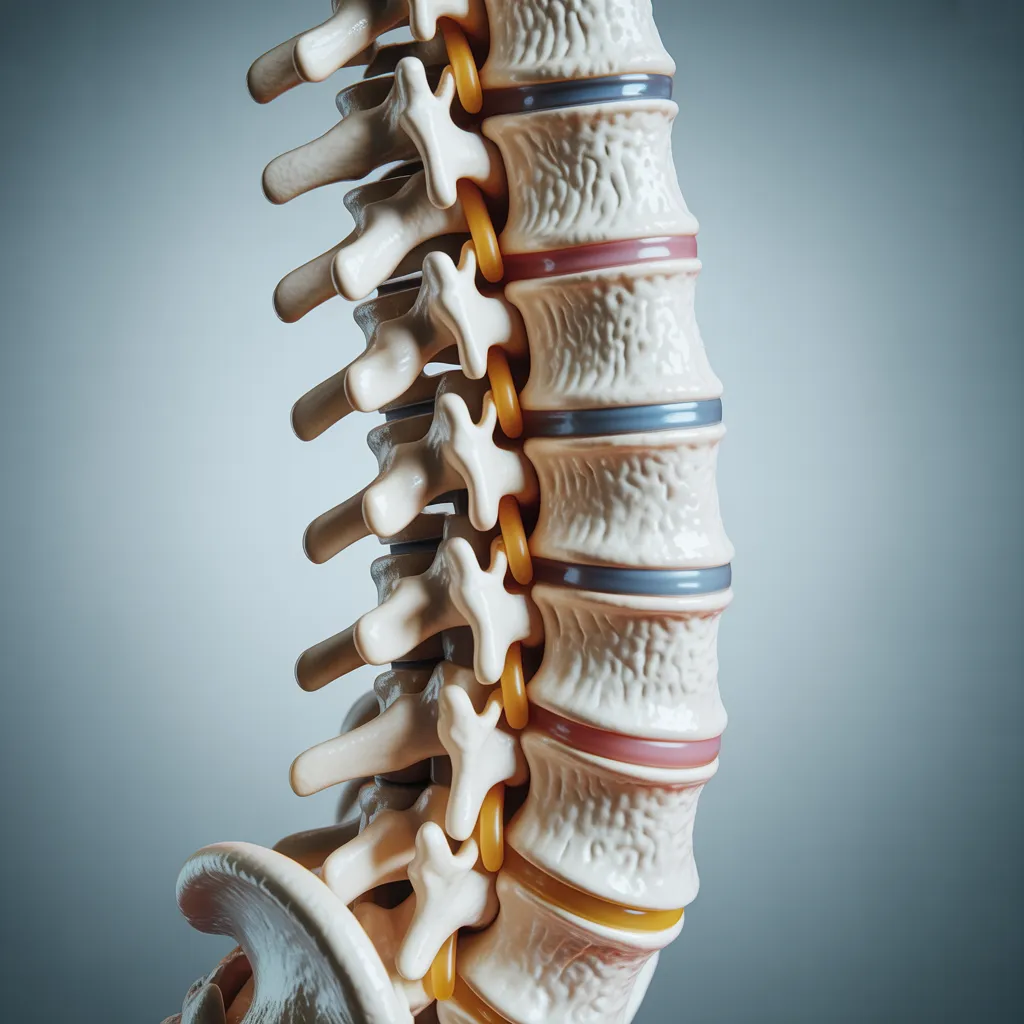
Chronic back pain impacts millions of people worldwide, arising due to various causes that can complicate diagnosis and treatment. Commonly, conditions such as herniated discs, arthritis, and spinal stenosis contribute considerably to persistent discomfort. Muscle or ligament strains often arise from heavy lifting or awkward movements, leading to ongoing pain. Additionally, degenerative conditions can affect the spine, creating structural changes that exacerbate symptoms.
Lifestyle components, including obesity and lack of physical activity, further boost the risk of chronic back pain. Psychological aspects, such as stress and anxiety, can also play a key role, often intensifying the perception of pain. Furthermore, previous injuries, whether sudden or chronic, timely resource may leave lasting consequences that contribute to ongoing discomfort. Understanding these various causes is essential for effective management and treatment strategies, as they highlight the multifaceted nature of chronic back pain.
Beneficial Therapies for Extended Back Pain
Effective treatments for chronic back pain include a variety of approaches, with therapeutic exercise and holistic wellness practices standing out. Physical therapy can improve flexibility and muscular power, while mind-body practices promote relaxation and pain management. Together, these methods provide an comprehensive strategy for alleviating discomfort and improving quality of life.
Advantages of Physical Therapy
Physical therapy supplies numerous gains for individuals dealing with chronic back pain. It centers on boosting mobility, endurance, and flexibility through tailored workouts and procedures. By correcting muscular weaknesses and reinforcing core stability, physical therapy facilitates relieve pain and stave off further injury. In addition, practitioners utilize hands-on techniques, treatments such as heat or ultrasound, and instruction to strengthen individuals in coping with their condition. This holistic approach not only targets physical symptoms but also fosters overall well-being. Regular sessions can produce better posture and effective movement, allowing individuals to engage in daily activities with greater comfort. Overall, physical therapy serves as a vital component in the thorough treatment of chronic back pain, promoting long-term healing and boosted standard of living.
Mind-Body Approaches
Integrating mind-body techniques into the intervention of back pain can substantially boost overall recuperation and wellness. These frameworks prioritize the connection between psychological and bodily elements, promoting relaxation and decreasing pressure. Techniques such as mindfulness meditation, yoga, and guided imagery have displayed success in reducing pain levels and improving mobility. Research establishes that these practices can reshape pain awareness and enhance emotional resilience, facilitating individuals to cope with their condition more efficiently. By cultivating favorable attitudes and supporting self-awareness, mind-body techniques can work alongside traditional therapies, facilitating improved outcomes. Ultimately, including these approaches into an all-encompassing pain management plan offers a whole-person strategy that addresses both the tangible and affective aspects of chronic back pain.
How Physical Exercise Helps Persistent Back Discomfort Healing
Physical exercise plays an critical role in the recuperation from chronic back pain by targeting core muscle conditioning and enhancing overall elasticity and locomotion. Strengthening core muscles provides vital backing to the spine, while improved flexibility allows for greater movement without soreness. Together, these benefits prove highly beneficial to lessening of pain and improved functional capacity.
Developing Core Muscles
Enhancing central muscles plays a vital part in alleviating chronic back pain. A robust core provides stability and support to the spine, easing strain on the back muscles. Performing targeted exercises helps to improve muscle balance and coordination, which is necessary for maintaining proper posture. This, in turn, can decrease discomfort during daily activities and improve overall functional mobility. Core strength exercises may include planks, bridges, and abdominal workouts that target the lumbar muscle area. Regular training not only aids pain relief but also fosters resilience against future injuries. Hence, a balanced exercise plan focusing on core strength can greatly support the recovery process for individuals with chronic back pain.
Strengthening Flexibility and Mobility
While chronic back pain often limits movement improving flexibility and mobility through targeted exercises can significantly facilitate recovery. Flexibility programs such as Pilates or yoga allow people to enhance their flexibility range reducing stiffness in the back and surrounding muscles. Incorporating gentle movements like swimming or walking encourages blood flow and promotes recovery. These activities not only relieve discomfort but also encourage improved alignment which is essential for long-term relief. As mobility enhances people may find it easier to perform routine activities thereby increasing overall physical activity. Regular engagement of mobility-improving workouts can lead to a stronger and more adaptable body ultimately fostering a more active and fulfilling way of living.
Mental Focus as a Strategy for Chronic Back Pain Relief
How does mindfulness impact the perception of chronic back pain? Practices of mindfulness, such as meditation and focused breathwork, can profoundly alter an individual's perception to pain. By fostering a non-judgmental awareness of bodily sensations, mindfulness enables patients to detach from the psychological strain frequently accompanying chronic pain. This cognitive shift helps reduce anxiety and improve overall pain tolerance.
Studies indicate that participating in mindfulness can lead to reduced pain intensity and enhanced coping strategies. As individuals learn to observe their pain without immediate reaction, they often experience lessened suffering. Additionally, mindfulness fosters a feeling of control, empowering individuals to handle their pain rather than feeling overwhelmed by it.
Integrating mindfulness into everyday practices can elevate quality of life for those dealing with chronic back pain. Ultimately, this technique not only handles pain control but also enhances mental fortitude and emotional health.
Life Adjustments to Assist Persistent Back Pain Relief
Adopting deliberate lifestyle changes can significantly enhance relief from persistent back pain. Regular exercise, tailored to individual strengths, helps develop the muscles that support the spine. Incorporating low-impact activities, like swimming or walking, can enhance range of motion and lessen stiffness. Maintaining a healthy body weight is also essential, as excess weight can strain the back.
Furthermore, ergonomic adjustments at home and work, like using supportive chairs and appropriate desk elevations, can reduce discomfort. Practicing good posture while sitting and standing further supports spinal health.
Nutrition matters as well; a wholesome diet rich in anti-inflammatory foods can bolster overall well-being. Finally, stressing sleep quality and setting up a consistent sleep routine can aid in recovery. By embracing these life changes, individuals can create a positive environment for addressing chronic back pain, ultimately enhancing their ease of movement and comfort.
Alternative Therapies That May Help Chronic Back Pain
Examining non-traditional approaches can deliver individuals suffering from chronic back pain additional routes for alleviation. Many opt for acupuncture, which entails introducing delicate needles into particular locations on the body, possibly alleviating discomfort and encouraging repair. Chiropractic care acts as another well-known approach, concentrating on spinal alignment and manipulation to improve mobility and lower soreness.
Mind-body disciplines such as yoga and tai chi can prove equally beneficial, as they emphasize easy motions and worry reduction, which may promote overall vitality. Natural treatments, including turmeric and ginger, have proved anti-inflammatory properties that could help ease pain.
In addition, massage therapy may provide immediate ease by loosening tense muscles and boosting blood flow. These complementary therapies can complement traditional methods, yet their success varies among individuals. It is vital for those considering these alternatives to conduct comprehensive investigation and consult with healthcare professionals to locate the most fitting strategies for their particular requirements.
How do you determine when it's time to obtain Medical Care for Chronic Pain?
Assessing when to pursue professional support for persistent soreness can be challenging for many people. A typical recommendation is to consult a healthcare provider if soreness continues longer than a few weeks despite self-care measures. Furthermore, people should seek assistance if the soreness gets worse, disrupts daily activities, or is accompanied by other alarming symptoms, such as numbness, weakness, or unexplained weight loss.
Professional assistance is necessary when OTC treatments no longer deliver comfort or if individuals experience major psychological difficulty connected to their ache. Timely treatment can ward off further complications and boost standard of living. Healthcare professionals can deliver personalized therapeutic approaches, comprising physical therapy, medication, or recommendations for specialist consultation. Ultimately, recognizing the signs that point to the need for professional help can facilitate more effective handling of chronic pain and a getting back to a richer and more energetic lifestyle.
Regularly Asked Questions
Does Chronic Back Pain Run in Bloodlines?
Chronic back pain can have genetic origins, as hereditary traits may influence an individual's susceptibility to conditions like arthritis or disc degeneration. Hereditary patterns may affect the onset of chronic pain.
How much time Does It Usually Take to See Improvements?
Improvements in chronic back pain typically manifest within a few weeks to several months, depending on the therapeutic method, individual health factors, and adherence to prescribed therapies, as well as lifestyle changes implemented.
What Specific Eating Regimens Can Benefit Spinal Pain?
Various diets including those abundant in anti-inflammatory foods like fruits, vegetables, whole grains, and omega-3 fatty acids may assist alleviate back pain. Water intake and preserving a healthy weight are additionally beneficial for overall spinal health.
What Position Does Sleep Contribute in Back Pain Healing?
Sleep plays an crucial part in back pain healing by facilitating healing, reducing swelling, and enhancing overall health. Quality sleep enables the body to repair itself, thus improving movement and relieving discomfort during daily activities.
How Pressure Can Exacerbate Long-term Back Pain Indicators?
Yes, stress can worsen chronic back pain signs. Greater muscle tightness in muscle tissue, increased awareness to pain, and the psychological impact of stress can all lead to increased pain, making effective management of both pain and stress crucial.