Dependable Chronic Back Pain Options: Improve Your Comfort and Physical Function
Chronic back pain affects millions, often hindering daily activities. Comprehending its causes and exploring effective treatment options is crucial for recovery. A comprehensive approach, integrating therapies, lifestyle changes, and alternative treatments, can significantly improve comfort and mobility. However, one must evaluate when to seek professional guidance to tailor a personalized plan. What strategies can truly make a difference in addressing this persistent condition?
What Causes Create Chronic Back Pain?
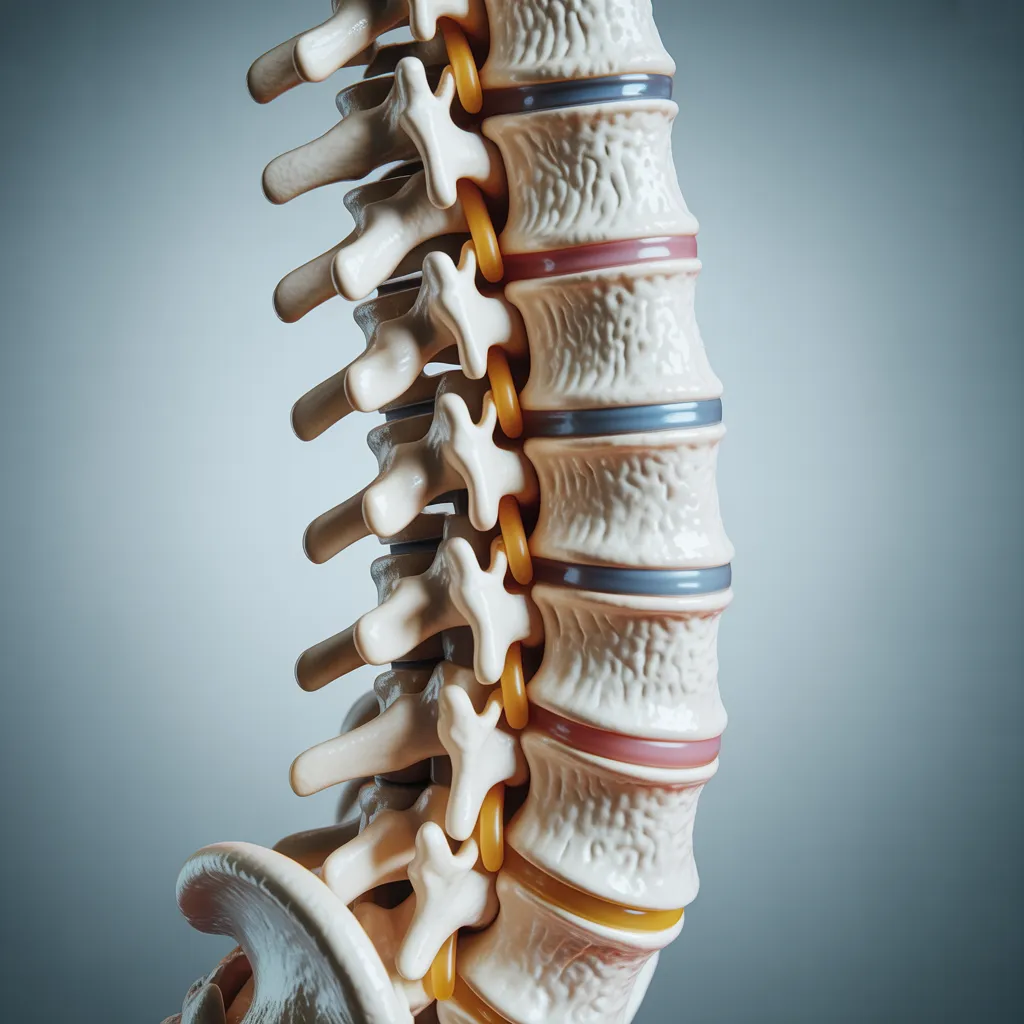
Chronic back pain impacts millions of people worldwide, stemming from various causes that can hinder diagnosis and treatment. Commonly, ailments such as herniated discs, arthritis, and spinal stenosis contribute considerably to persistent pain. Muscle or ligament strains often arise from heavy lifting or awkward movements, causing ongoing pain. Additionally, degenerative diseases can affect the spine, causing structural changes that worsen symptoms.
Lifestyle elements, including obesity and lack of physical activity, further escalate the risk of chronic back pain. Psychological elements, such as stress and anxiety, can also play a vital role, often enhancing the perception of pain. Furthermore, previous injuries, whether sudden or chronic, may leave lasting effects that contribute to ongoing discomfort. Understanding these varied causes is essential for effective management and treatment strategies, as they highlight the complex nature of chronic back pain.
Helpful Therapies for Chronic Back Pain
Effective remedies for ongoing back discomfort include a variety of methods, with physical therapy and holistic wellness practices excelling. Physical therapy can enhance mobility and strength, while mind-body practices encourage relaxation and pain management. Together, these approaches offer an all-encompassing approach for reducing pain and enhancing overall well-being.
Physical Therapy Positive Effects
Physical therapy delivers abundant benefits for individuals battling chronic back pain. It stresses improving range of motion, strength, and flexibility through personalized exercises and techniques. By fixing muscle imbalances and strengthening core balance, physical therapy aids in easing pain and prevent additional injury. In addition, therapists implement therapeutic techniques, modalities like heated therapy or ultrasound, and patient instruction to strengthen patients in managing their state. This comprehensive strategy not only focuses on physical symptoms but also supports overall welfare. Consistent sessions can produce better posture and functional movement, allowing individuals to engage in daily tasks with more ease. Overall, physical therapy serves as an essential aspect in the thorough management of chronic back pain, promoting long-term recovery and enhanced quality of life.
Mind-Body Methods
Incorporating mind-body techniques into the management of back pain can greatly enhance overall healing and well-being. These methods focus on the connection between mental and physical states, promoting relaxation and lowering tension. Methods including mindfulness meditation, yoga, and guided imagery have demonstrated effectiveness in reducing discomfort and enhancing movement. Research suggests that these approaches can alter pain perception and strengthen psychological fortitude, empowering individuals to manage their symptoms more effectively. By cultivating optimistic thinking and promoting self-awareness, mind-body techniques can enhance traditional therapies, resulting in improved outcomes. Ultimately, integrating these techniques into an all-encompassing pain management plan offers a comprehensive strategy that addresses both the physical and emotional aspects of chronic back pain.
How Physical Exercise Aids Persistent Spinal Pain Healing
Physical exercise plays an indispensable role in the recovery from chronic back pain by targeting core muscle vigor and enhancing overall adaptability and physical movement. Fortifying core muscles provides vital assistance to the spine, while improved flexibility allows for extended movement without discomfort. Together, these benefits substantially support pain reduction and improved functional capacity.
Strengthening Central Muscles
Enhancing central muscles is critical to alleviating chronic back pain. A robust core provides stability and support to the spine, reducing strain on the back muscles. Performing targeted exercises helps to strengthen muscle balance and coordination, which is necessary for maintaining proper posture. This, in turn, can decrease discomfort during daily activities and improve overall functional mobility. Core strength exercises may include planks, bridges, and abdominal workouts that target the lumbar muscle area. Regular training not only aids pain relief but also fosters resilience against future injuries. Hence, a balanced exercise plan focusing on core strength can greatly support the recovery process for individuals with chronic back pain.
Boosting Flexibility and Agility
While long-term spinal pain often restricts physical activity enhancing flexibility and mobility through targeted exercises can greatly support recovery. Stretching routines such as yoga or Pilates enable individuals to improve their flexibility range reducing stiffness in the back and surrounding muscles. Incorporating gentle movements like swimming or walking promotes circulation and facilitates healing. These exercises not only relieve discomfort but also foster better posture which is crucial for sustained comfort. As mobility enhances individuals may find it easier to perform daily tasks thereby boosting overall physical activity. Regular engagement of flexibility-enhancing exercises can lead to a more resilient body ultimately contributing to a more active and fulfilling way of living.
What role can mindful practice play in transforming the experience of chronic back pain? Mindfulness methods, like mindful meditation and focused breathing, can substantially alter how an individual perceives pain. By cultivating a non-judgmental awareness of bodily sensations, mindfulness supports patients in detaching from the emotional challenges often tied to chronic pain. This shift in cognition results in reduced anxiety and improved overall pain tolerance.
Evidence indicates that taking part in mindfulness can lead to lower pain intensity and improved adaptation strategies. As individuals learn to observe their pain without immediate reaction, they often experience diminished suffering. Additionally, mindfulness fosters a sense of control, empowering individuals to manage their pain rather than feeling overwhelmed by it.
Embedding reflective practice within typical schedules can enhance life quality for those managing chronic back pain. Ultimately, this method not only addresses discomfort control but also supports emotional resilience and mental health.
Daily Adjustments to Support Chronic Back Pain Relief
Making deliberate life changes can significantly improve relief from chronic back pain. Consistent physical activity, tailored to individual capabilities, helps strengthen the muscles that support the spine. Adding low-impact exercises, like swimming or walking, can improve range of motion and decrease stiffness. Keeping a healthy body weight is also crucial, as excess pounds can place strain on the back.
Moreover, ergonomic adjustments at home and work, including using supportive chairs and appropriate desk elevations, can minimize discomfort. Maintaining proper posture while standing and sitting further supports spinal health.
Nutrition is important as well; a well-rounded eating plan rich in anti-inflammatory foods can support overall well-being. Finally, emphasizing sleep quality and establishing a regular sleep routine can aid in recovery. By adopting these behavioral modifications, individuals can build a helpful framework for addressing chronic back pain, ultimately improving their ease of movement and comfort.
Alternative Treatments That Might Help Chronic Back Pain
Examining alternative treatments can deliver individuals suffering from chronic back pain extra options for relief. Many explore acupuncture, which requires positioning slender needles into particular locations on the body, arguably relieving tension and encouraging repair. Chiropractic care functions as another favored alternative, focusing on spine arrangement and manipulation to increase flexibility and reduce pain.
Mind-body practices such as yoga and tai chi can also be beneficial, as they focus on soft motions and anxiety relief, which may enhance overall well-being. Natural supplements, including turmeric and ginger, have shown inflammation-reducing qualities that could help manage pain.
Moreover, massage therapy may deliver prompt ease by relaxing tense muscles and boosting blood flow. While these complementary therapies can enhance conventional approaches, their success rate varies among people. It is vital for those contemplating these possibilities to conduct comprehensive research and speak to medical experts to find the most appropriate strategies for their specific requirements.
Which situations justify obtaining Qualified Guidance for Chronic Pain?
Recognizing when to seek professional help for chronic discomfort can be difficult for numerous people. A basic recommendation is to speak with a healthcare provider if pain persists beyond a few weeks in spite of self-care efforts. Also, individuals should seek support if the pain worsens, interferes with daily activities, or is joined with other concerning symptoms, such as numbness, weakness, or unexplained weight loss.
Professional assistance is vital when over-the-counter medications cease to provide relief or if individuals experience major psychological difficulty linked with their ache. Early intervention can ward off additional issues and improve standard of living. Medical practitioners can deliver personalized therapeutic approaches, encompassing physical therapy, medication, or recommendations for specialist consultation. Finally, recognizing the signs that point to the need for professional help can facilitate superior management of long-term pain and a visit resource return to a richer and more energetic daily routine.
Commonly Asked Questions
Can Chronic Back Pain Be Hereditary?
Chronic back pain can have heritable components, as genetic makeup may impact an individual's propensity to conditions like arthritis or disc degeneration. Genetic history may factor into the manifestation of chronic pain.
How much time Does It Usually Take to See Improvements?
Enhancements in chronic back pain usually emerge within a few weeks to several months, depending on the care strategy, individual medical circumstances, and commitment to treatment protocols, as well as lifestyle changes that are implemented.
Are There Particular Diets That Help With Spinal Pain?
Various dietary approaches such as those rich with anti-inflammatory foods like fruits, vegetables, whole grains, and omega-3 fatty acids may assist alleviate back pain. Water intake and preserving a healthy weight are additionally positive for overall spinal health.
What Function Does Sleep Take in Back Pain Recovery?
Sleep functions as an vital element in back pain improvement by encouraging mending, reducing irritation, and promoting overall well-being. Quality sleep allows the body to repair itself, leading to improved mobility and reducing aches during daily pursuits.
How Anxiety Can Intensify Chronic Back Pain Manifestations?
Yes, stress can aggravate long-term back pain manifestations. Elevated muscle tension in muscles, amplified pain response to pain, and the mental burden of stress can all lead to escalating pain, making proper management of both stress and pain vital.