Become a Certified Nursing Assistant With Professional CNA Education
Becoming a Certified Nursing Assistant (CNA) yields multiple advantages in the medical industry. Through expert training, aspirants develop fundamental skills and knowledge essential for effective patient care. The escalating demand for CNAs delivers job assurance and viable career advancement. Grasping the training process and certification requirements is vital. What aspects should prospective CNAs reflect on as they begin on this path? Probing this can shed light on the journey ahead.
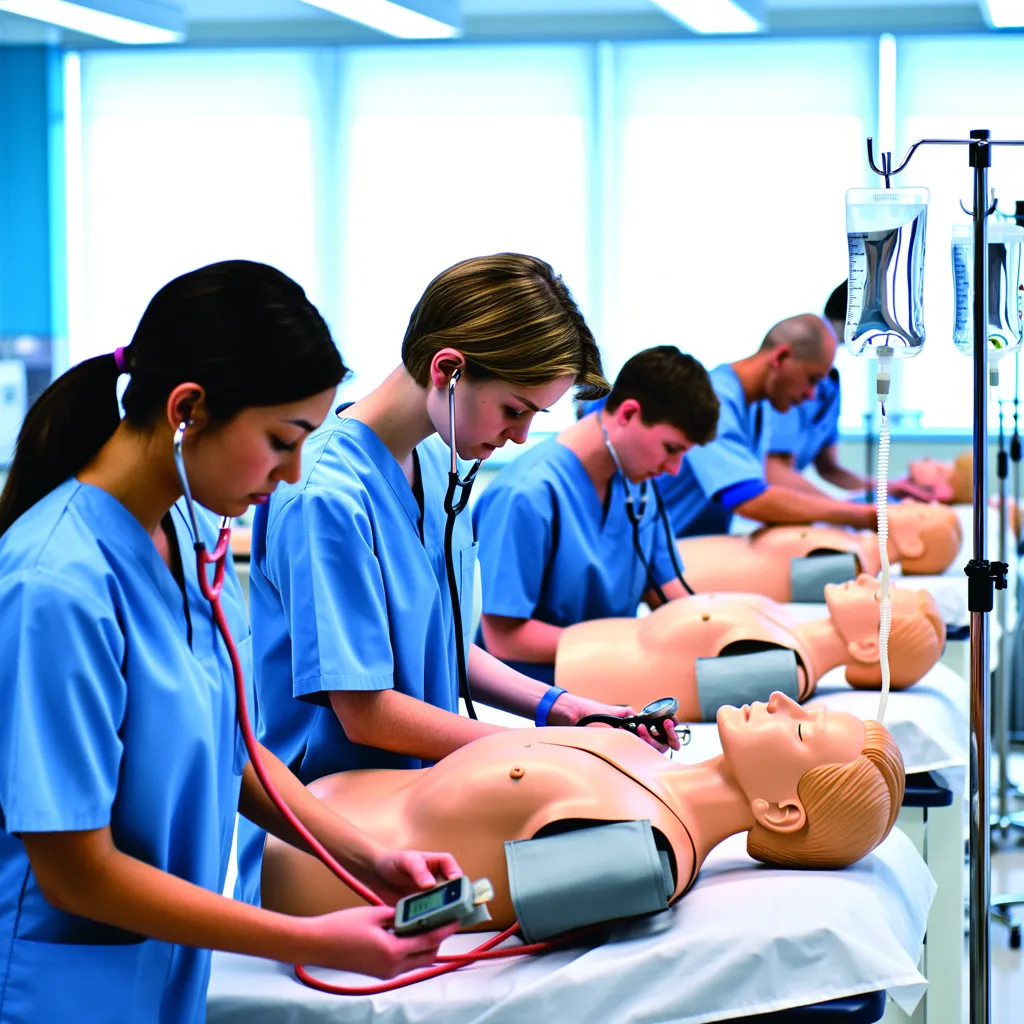
Primary Drivers to Work as a CNA
Pursuing a CNA career presents numerous advantages that attract professionals pursuing a rewarding career path in healthcare. One major benefit is the chance for patient-centered care, enabling Certified Nursing Assistants to make a meaningful difference on patients' health. The market need for Certified Nursing Assistants keeps growing, securing job stability and numerous career possibilities across multiple settings, such as hospitals, nursing homes, and home health care.
Furthermore, the training required to become a CNA is comparatively short, enabling individuals to join the job market quickly. This ease of entry renders the profession an attractive choice for those looking to start a career in healthcare without substantial schooling. CNAs also have the potential to advance their careers in the healthcare industry, opening doors for additional schooling and certifications. In summary, the combination of job security, personal fulfillment, and professional growth possibilities renders turning into a CNA a persuasive choice for many prospective healthcare professionals.
Critical Abilities You'll Learn in CNA Education
CNA training provides individuals with an essential set of skills necessary for providing quality patient care. One of the primary skills acquired is effective communication, enabling CNAs to interact compassionately with patients and their families. Additionally, students master critical observation methods, enabling them to assess vital signs and report changes to nursing staff precisely.
Personal care abilities, such as bathing, dressing, and feeding patients, are essential parts of the training, ensuring that CNAs can help patients with daily activities. Pathogen prevention practices also comprise a significant part of the curriculum, highlighting hygiene and protective measures necessary to prevent the dissemination of illness.
Moreover, CNAs develop expertise in basic medical procedures, including helping patients move and operating medical equipment. Overall, the training covers a holistic approach to caring for patients, preparing individuals to address the varied requirements of those they serve effectively.
Understanding the CNA Training Process and Credential
The CNA training program includes numerous important features, addressing an overview to training standards, strategic techniques for exam success, and available employment opportunities. Understanding these concepts is important for future nursing assistants as they progress toward their certification goals. Every dimension contributes a key function in achieving a productive transition into the medical profession.
CNA Education Standards Summary
While hopeful healthcare professionals may feel overwhelmed by the credentialing process, learn the details understanding the training criteria for Certified Nursing Assistants (CNAs) is crucial. To become a CNA, individuals must complete a government-approved training program, which typically includes both theoretical lessons and practical clinical training. Most programs require a minimum of 75 hours of training, although some states may mandate additional hours. Candidates must also pass a background check to guarantee safety within healthcare settings. Upon completion, they are eligible to take the certification exam. Additionally, some states may have specific criteria, such as age requirements or high school diploma confirmation. Familiarity with these requirements can help simplify the path to becoming a certified professional in the nursing field.
Practical Recommendations for Training for Your Certification Evaluation
Successfully completing a state-approved training program marks a substantial milestone for prospective CNAs, yet the journey continues there. Preparing for the licensing test demands a focused approach. Candidates should review the material covered during their instruction, highlighting key areas such as client support, safety protocols, and infection control. Utilizing practice exams can help familiarize them with the test structure and query styles. Additionally, creating learning teams can foster group education, enabling candidates to explain concerns and strengthen knowledge. Schedule planning is essential; establishing a learning timetable ensures comprehensive examination of all subjects. Finally, maintaining a optimistic outlook and practicing relaxation techniques can reduce test-induced stress, improving overall performance on test day.
Career Positioning Choices Available
Completing CNA training provides a range of employment prospects, as many healthcare facilities actively recruit CNAs to meet their staffing needs. Hospitals, nursing homes, and assisted living facilities are among the primary employers, often offering varied scheduling to accommodate various schedules. Additionally, CNAs may find opportunities in rehabilitation centers, home healthcare agencies, and outpatient clinics. With the increasing need for healthcare services, job security for CNAs remains strong. Many training programs also provide job placement assistance, connecting graduates with potential employers. Networking within the healthcare community and utilizing online job boards further improve employment prospects, making the shift from training to the workforce smoother for newly certified nursing assistants.
Primary Rewards of CNA Certification
Obtaining CNA certification provides numerous advantages that enhance both professional opportunities and personal growth. Primarily, it gives individuals with essential skills and knowledge required to provide excellent patient care. This training fosters confidence and proficiency in different healthcare settings, which can significantly enhance job performance.
Furthermore, certification frequently result in increased job security, as many employers demand certified candidates. This credential not only broadens the scope of potential employment but also enhances earning potential. Additionally, CNAs frequently gain valuable experience that can serve as a stepping stone for advanced positions in the healthcare field, such as nursing.
From a personal perspective, the certification process encourages compassion and interpersonal abilities, vital traits for effective patient interaction. Ultimately, becoming a certified nursing assistant equips individuals with a solid foundation for a gratifying career in healthcare, while fostering a sense of satisfaction through assisting others.
CNA Job Opportunities
CNA employment prospects are abundant and span a range of employment settings, including hospitals, nursing homes, and home health care. This variety not only provides adaptability in employment settings but also creates pathways for professional growth. As CNAs gain expertise, they may investigate advanced training and expertise, enhancing their career development.
Diverse Employment Environments
broad range of skills required for effective patient care
Career Development Routes
Exploring professional growth paths can reveal numerous opportunities for Certified Nursing Assistants. With basic skills and experience, CNAs can shift into roles such as Licensed Practical Nurse (LPN) or Registered Nurse (RN) through additional education and training. Many facilities offer tuition reimbursement, incentivizing further studies. Additionally, CNAs may pursue advanced certifications in areas such as geriatrics, pediatrics, or mental health, enhancing their marketability and expertise. Management roles, such as CNA supervisor or nursing home administrator, also become accessible, allowing for positions of leadership. Networking within healthcare environments can open doors to these advancements. Ultimately, with dedication and continued learning, CNAs can greatly elevate their careers and contribute more profoundly to patient care.
Strategies to Effectively Ace the CNA Credential Exam
Completing the CNA certification exam successfully requires strategic preparation and a thorough knowledge of the subject matter. Aspiring CNAs should commence by studying the test blueprint offered by their state's regulatory organization, emphasizing critical areas like patient care, protection, and communication skills. Utilizing practice tests is essential, as they orient applicants with the exam format and question styles.
Study groups can boost learning by allowing candidates to discuss intricate topics and share insights. Time management during the exam is vital; candidates should practice pacing strategies to guarantee they tackle all questions.
Furthermore, hands-on experience in a clinical setting is vital. Applicants should seek opportunities to demonstrate competency in basic skills like recording vital signs and assisting with activities of daily living. In summary, comprehensive preparation and regular practice significantly improve the probability of passing the CNA certification test.
Frequent Inquiries Posed
How Much Do Certified Nursing Assistants Earn in Pay?
The typical salary for a certified nursing assistant typically falls from $25,000 to $35,000 each year, reliant upon criteria including experience, location, and the specific healthcare center where they are working.
May I operate as a CNA Lacking Official Certification?
No, people are unable to work as a Certified Nursing Assistant (CNA) without certification. Most states demand structured education and passing of a licensing test to ensure essential skills and expertise for caring for patients.
How much duration does CNA preparation generally take?
CNA education generally requires from four to twelve weeks, depending on the program and state requirements. This duration encompasses both lecture-based learning and hands-on clinical experience to guarantee thorough readiness for the certification examination.
What Are the Age Requirements Needed to Start Working as a CNA?
Age requirements are typically not rigid for becoming a Certified Nursing Assistant. However, most training programs require candidates to be at least 18 years old, though some could welcome younger individuals with parental approval.
What Constitute the Professional Development Obligations for CNAS?
Education requirements for CNAs usually consist of completing a defined quantity of hours in coursework or educational courses every two years. This ensures they remain knowledgeable about best practices and preserve their certification.